About Old Oakville
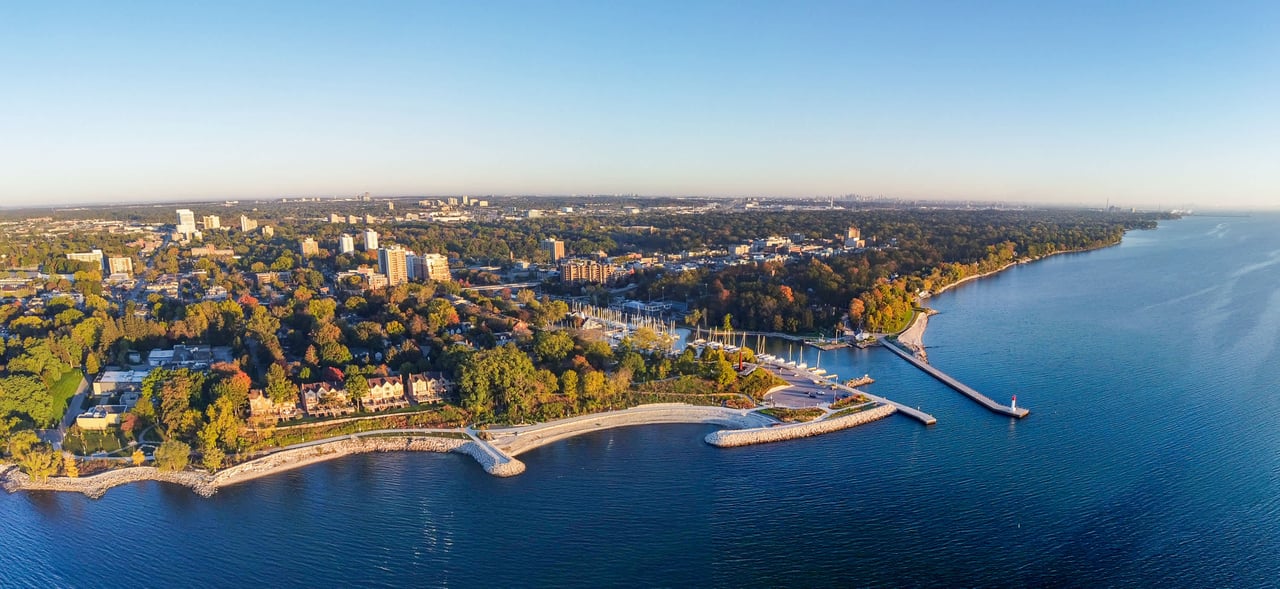
Old Oakville is one of Oakville’s most historic and sought-after residential neighbourhoods, offering a distinctive combination of heritage architecture, mature tree-lined streets, waterfront parks and walkability to Downtown Oakville. Set around Oakville Harbour and the Lake Ontario shoreline, the neighbourhood has a character and sense of place that are difficult to recreate elsewhere in the town.
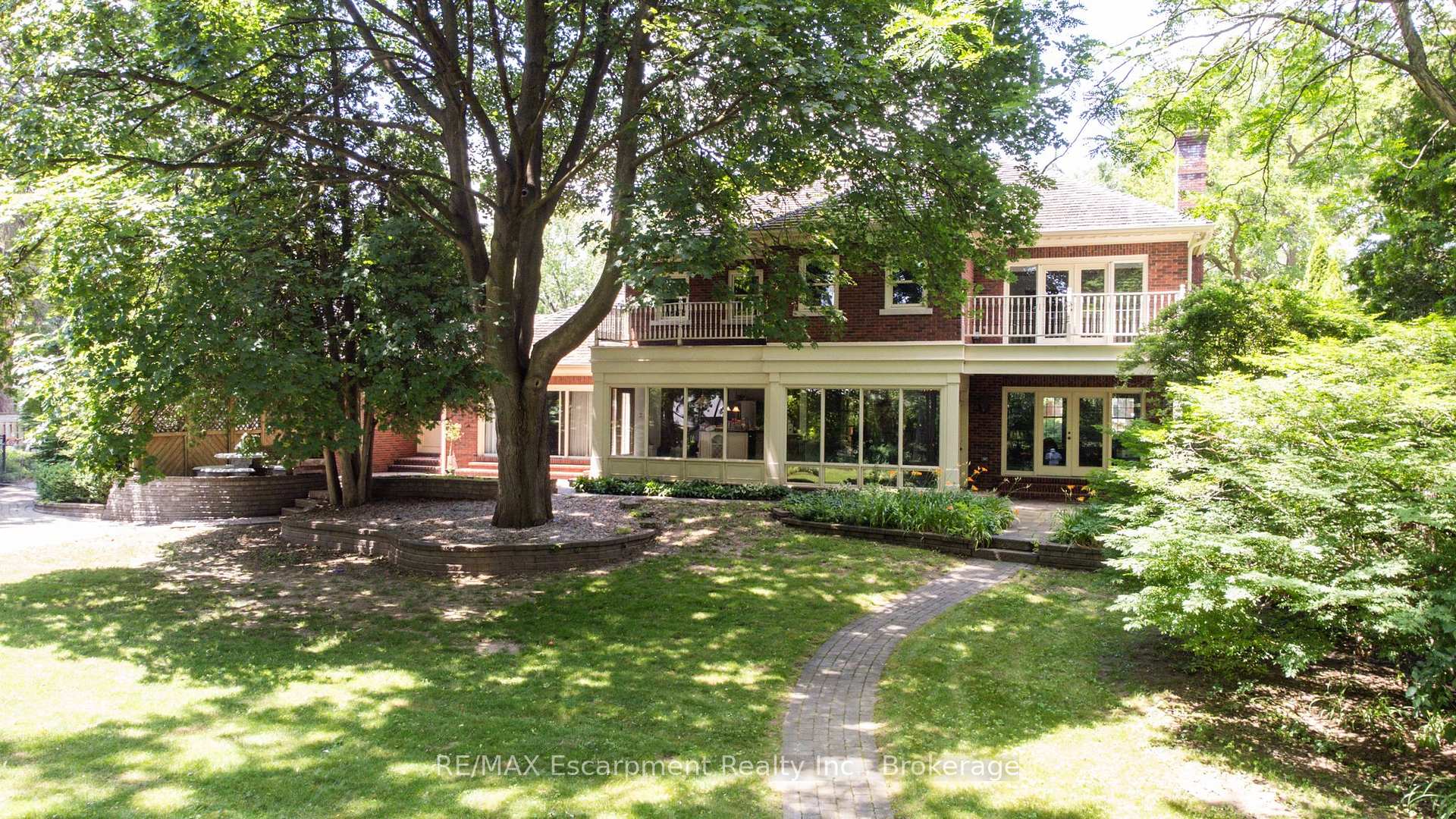
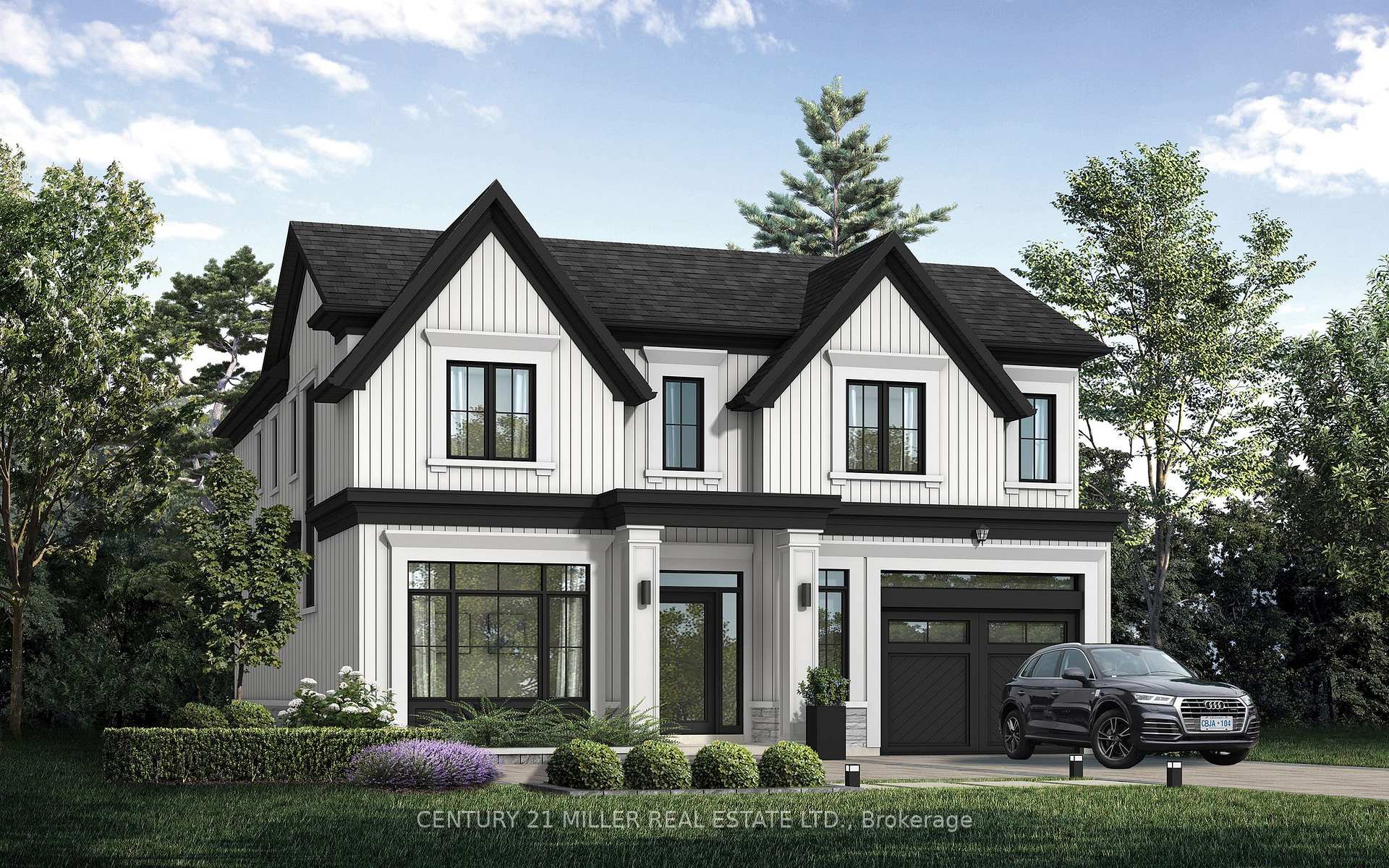
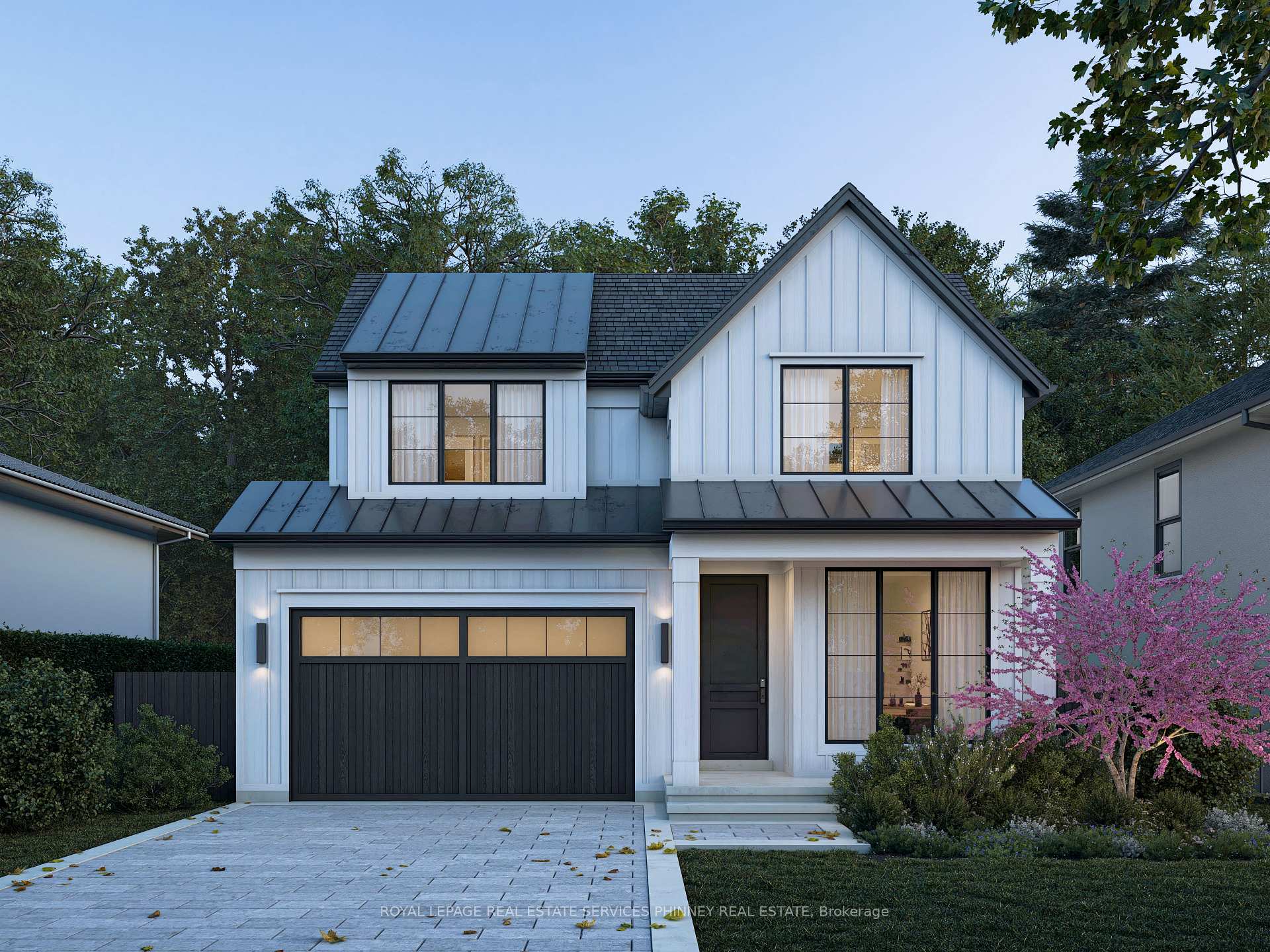
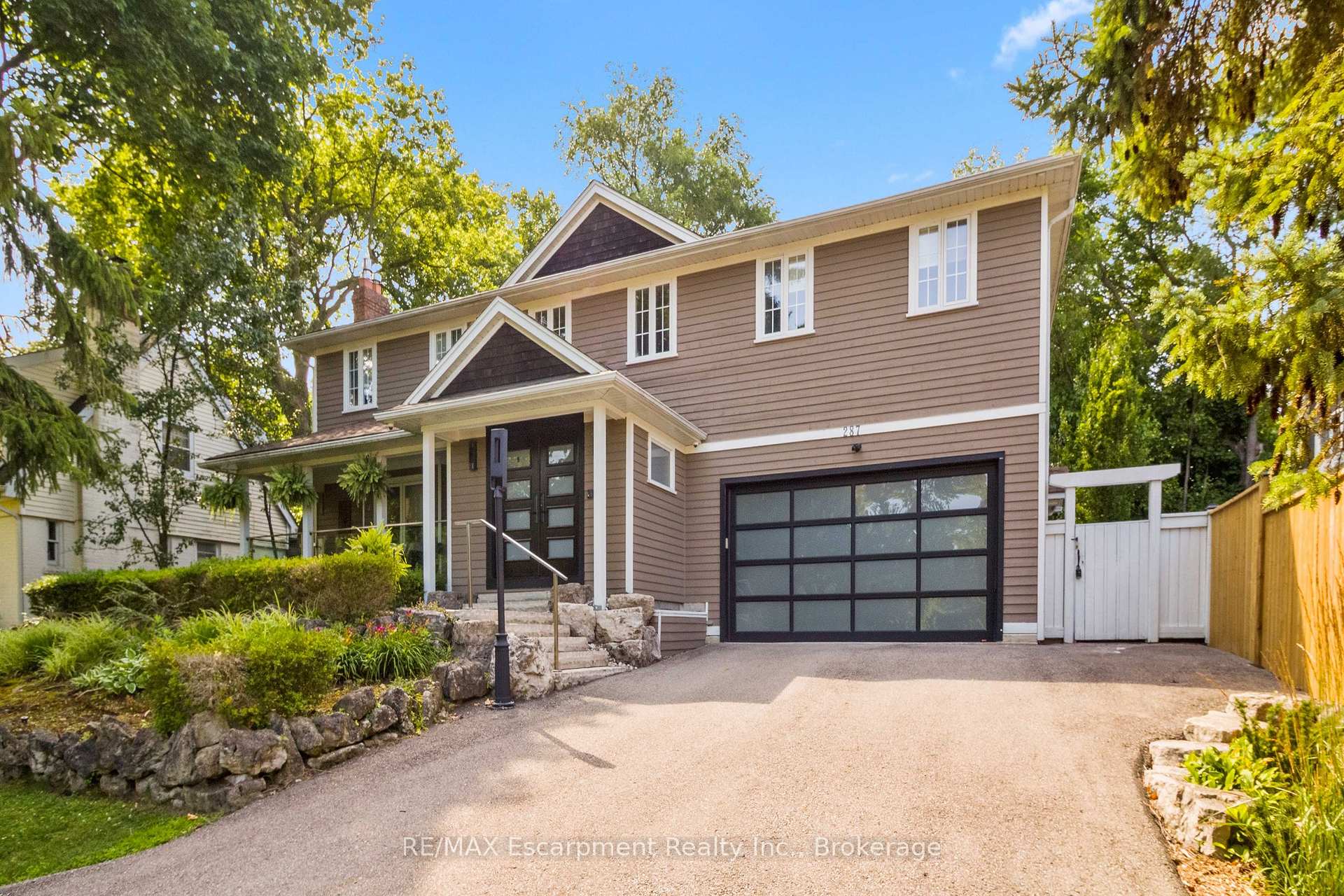
Old Oakville real estate is exceptionally varied. Buyers can find nineteenth-century cottages, traditional family homes, renovated heritage residences, custom-built luxury homes, significant waterfront properties, townhomes and a limited collection of luxury condominiums. This diversity allows the neighbourhood to appeal to families, professionals, downsizers and buyers seeking a walkable alternative to a more conventional suburban setting.
The ability to walk into Downtown Oakville is central to the neighbourhood’s appeal. Residents can reach Lakeshore Road East, Oakville Harbour, restaurants, cafés, boutiques, cultural amenities and lakeside parks without relying on a car for every outing.
Old Oakville forms the western portion of Southeast Oakville. It offers greater walkability and a broader mix of historic homes and condominiums than Morrison or the Ford neighbourhood, while sharing the mature setting, established schools and proximity to Lake Ontario that define this part of Oakville.
Old Oakville at a Glance
Historic Homes
Old Oakville includes one of the town’s most important collections of nineteenth-century cottages, period residences, traditional family homes and protected heritage streetscapes.
Walkable Downtown Lifestyle
Many homes and condominiums are within walking distance of Downtown Oakville’s restaurants, shops, cafés, cultural amenities and everyday services.
Waterfront and Harbour
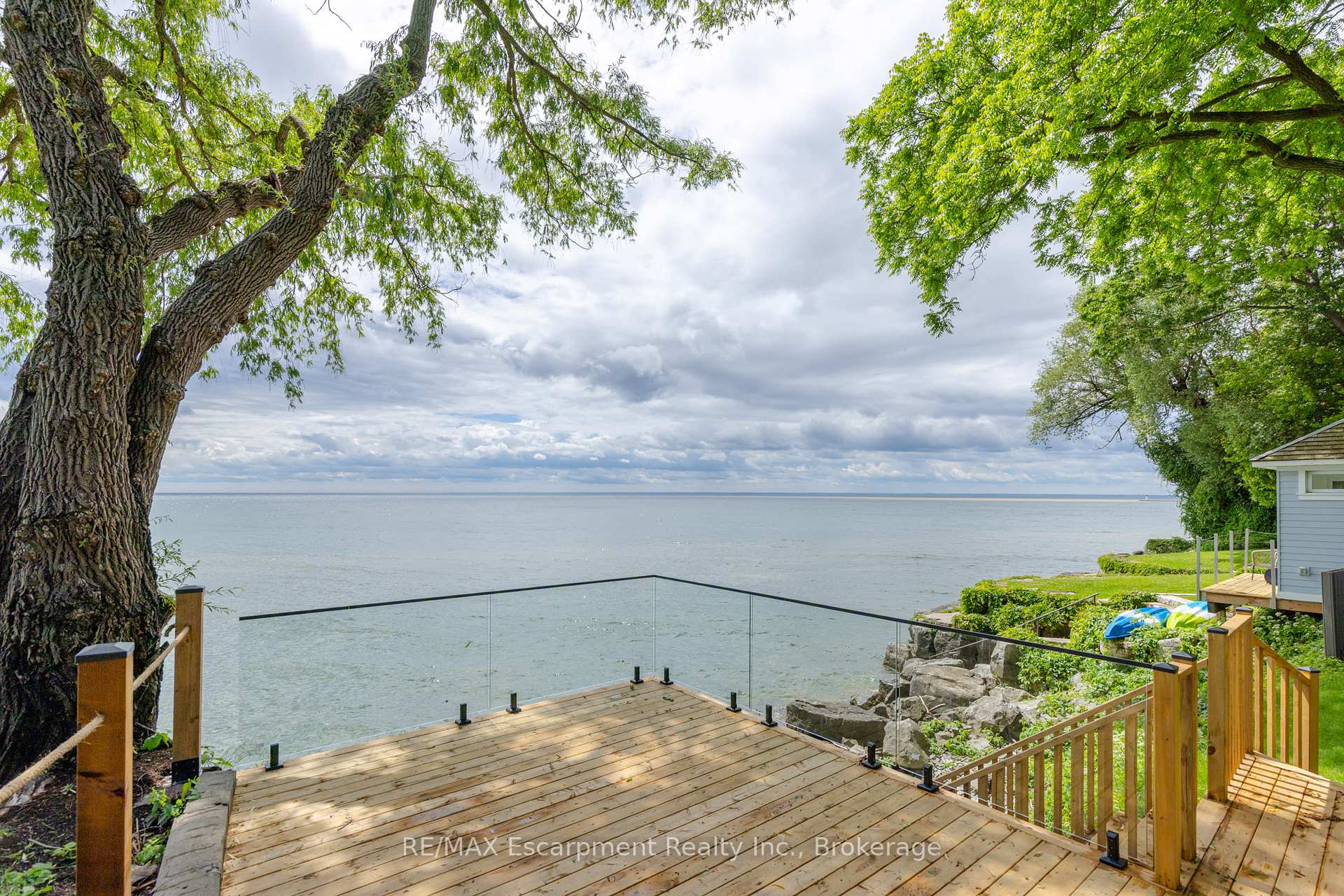
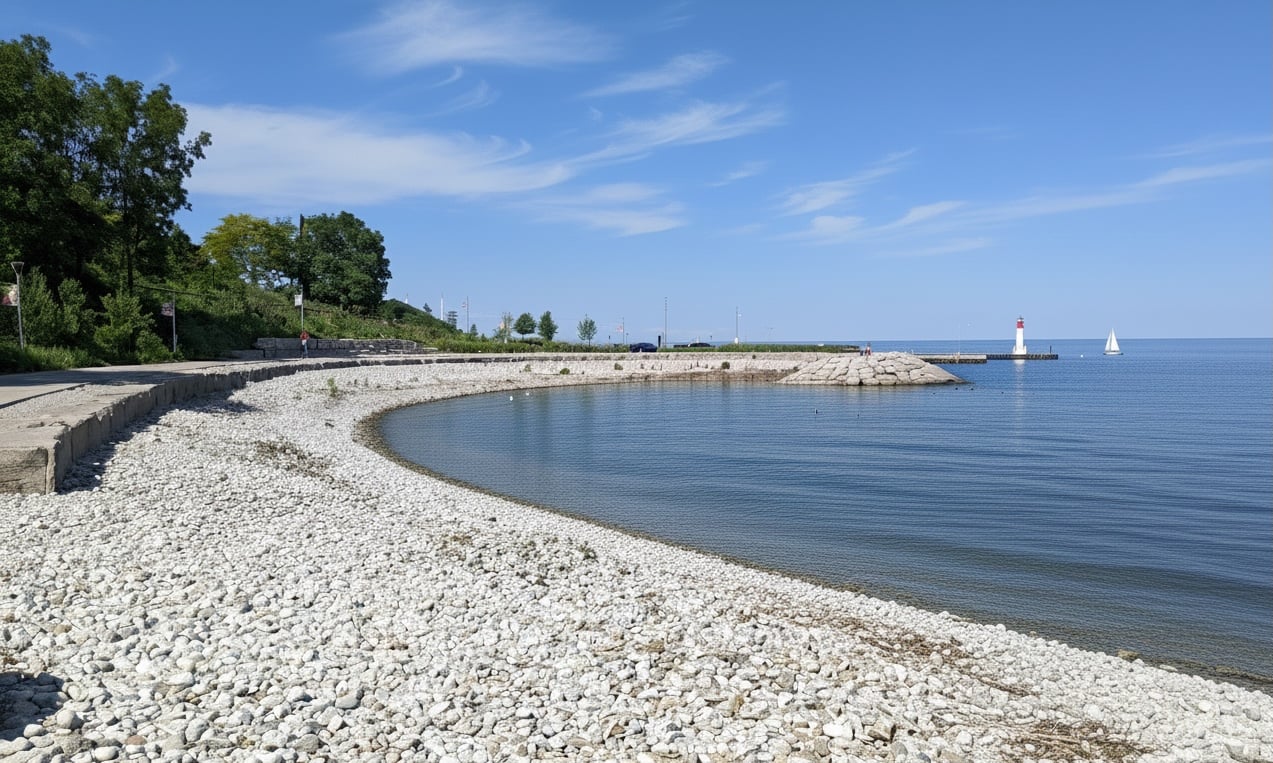
Oakville Harbour, Lakeside Park, Sixteen Mile Creek and the Lake Ontario shoreline create a strong connection between the neighbourhood and the water.
Historic Homes and Architecture
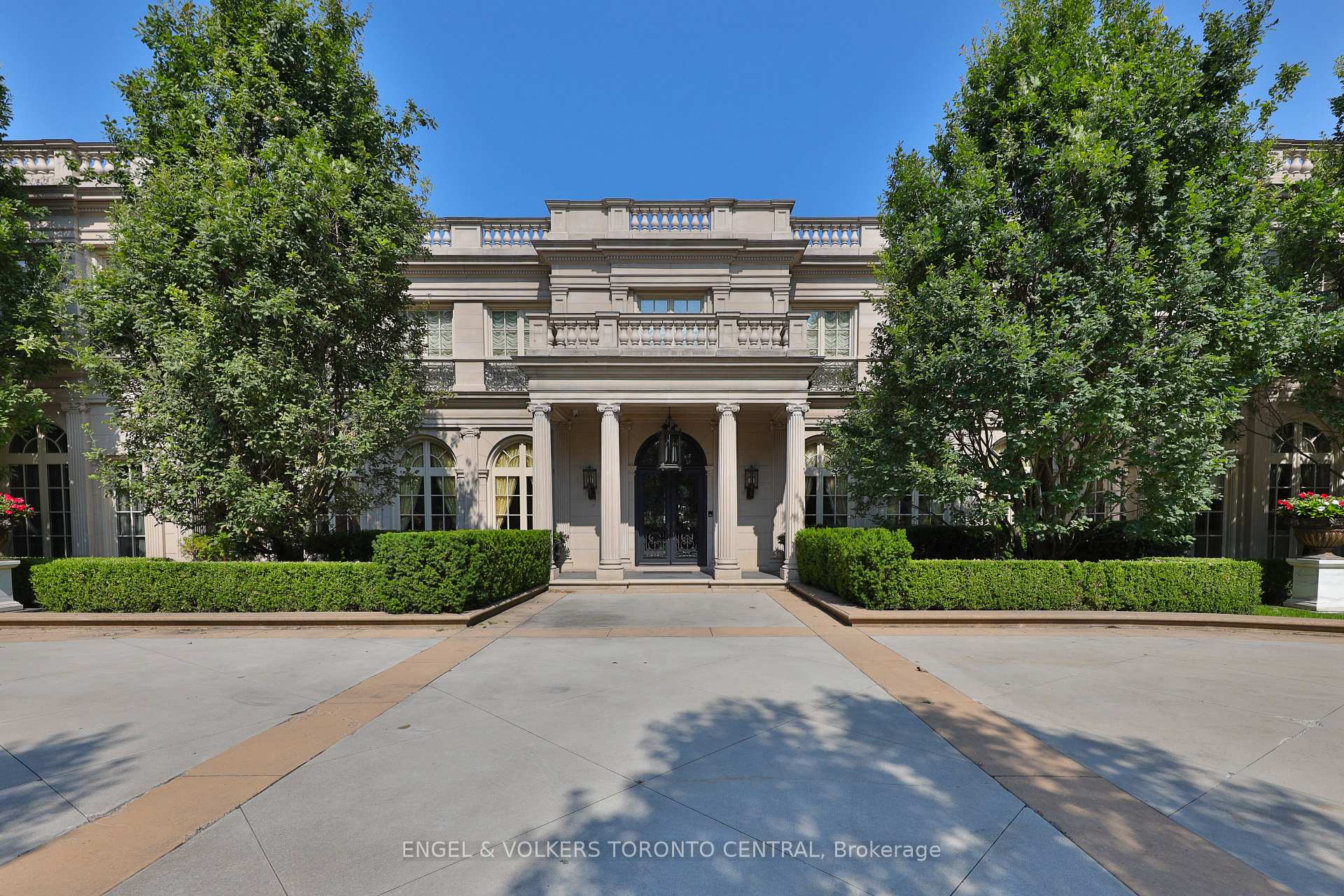
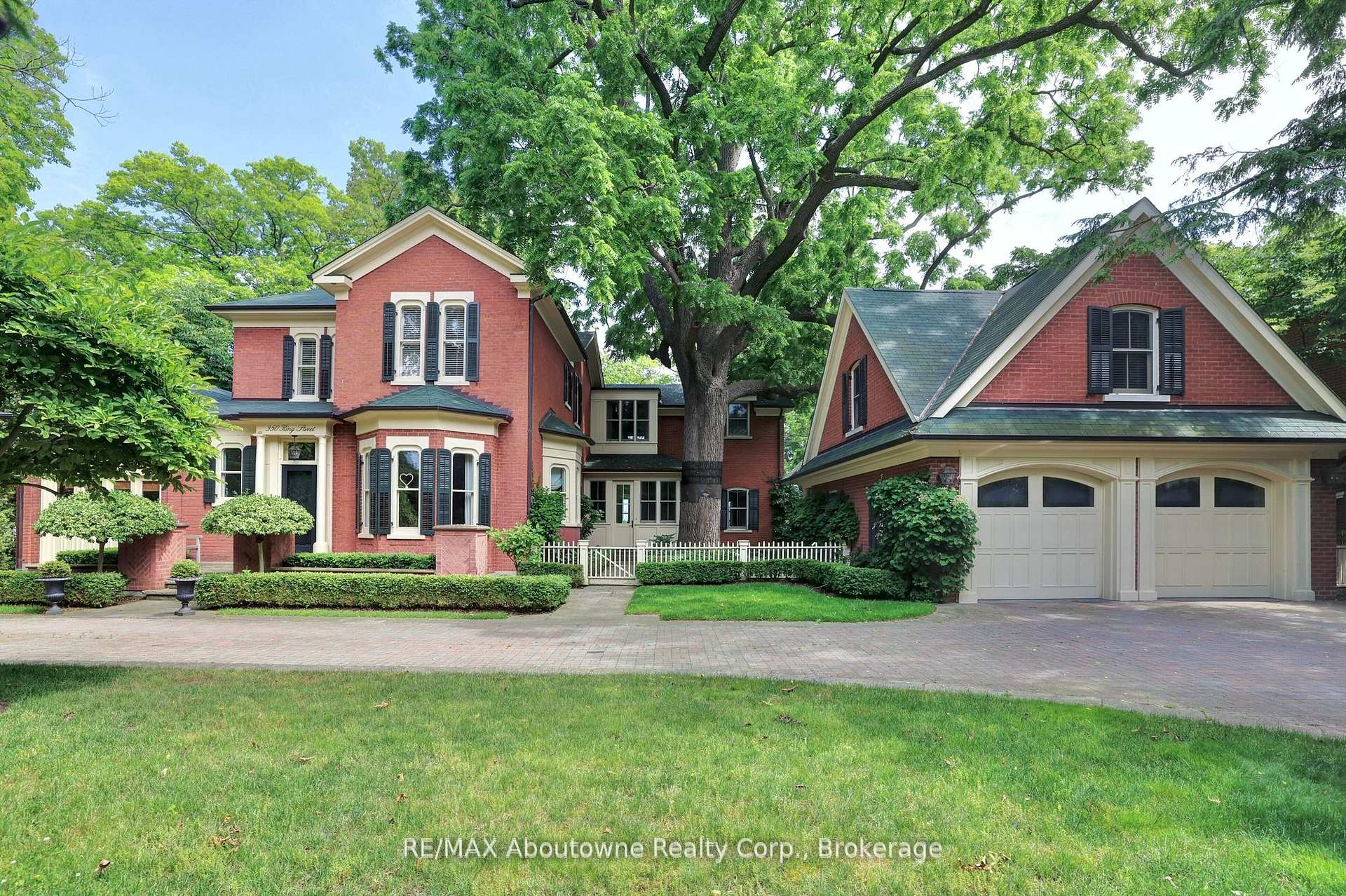
Old Oakville is defined by its architectural history. The Old Oakville Heritage Conservation District extends south of Robinson Street to Lake Ontario, from Sixteen Mile Creek in the west to Allan Street in the east. It includes early vernacular homes, nineteenth-century lakeside cottages, turn-of-the-century residences, churches and other buildings that reflect Oakville’s development as a harbour town.
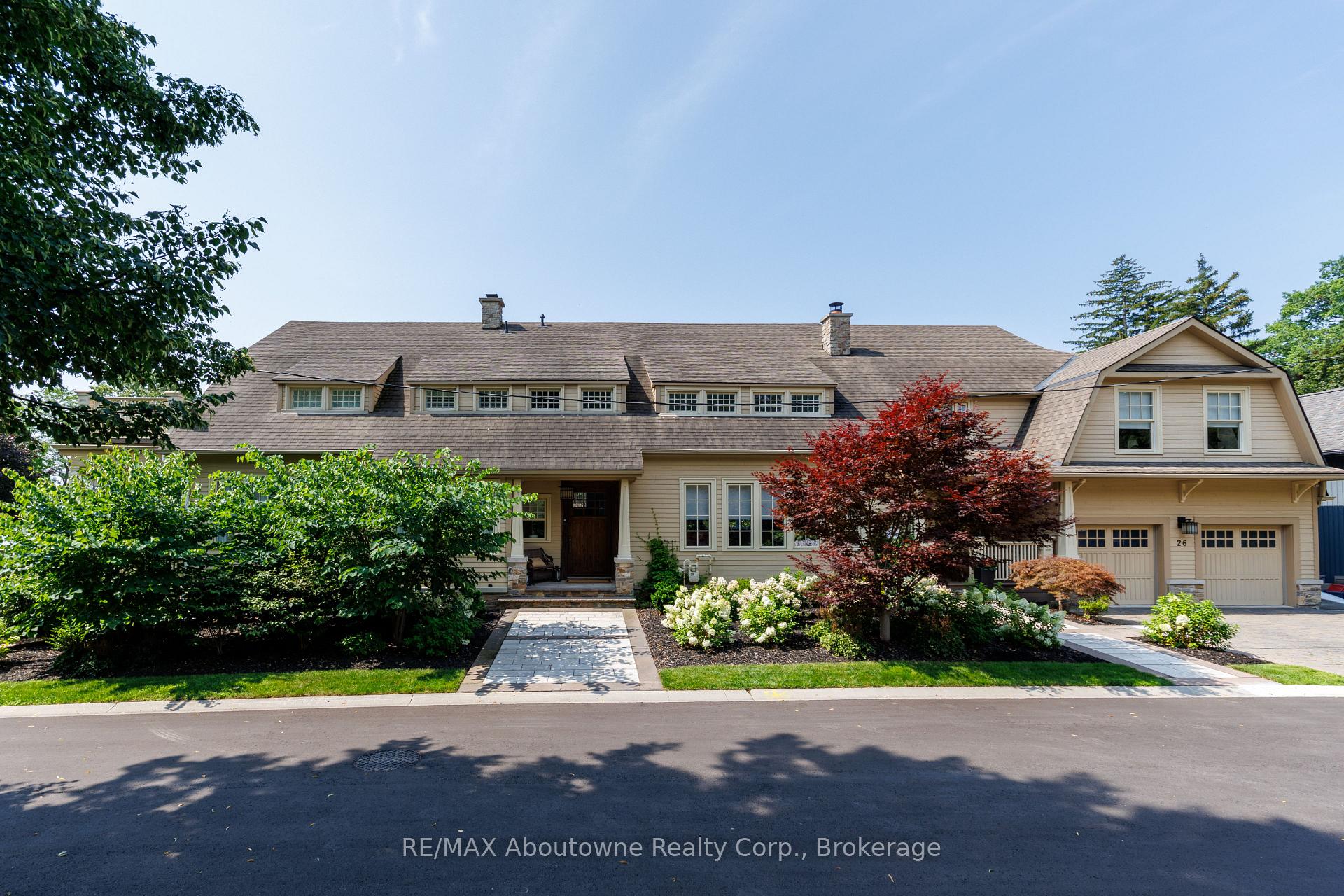
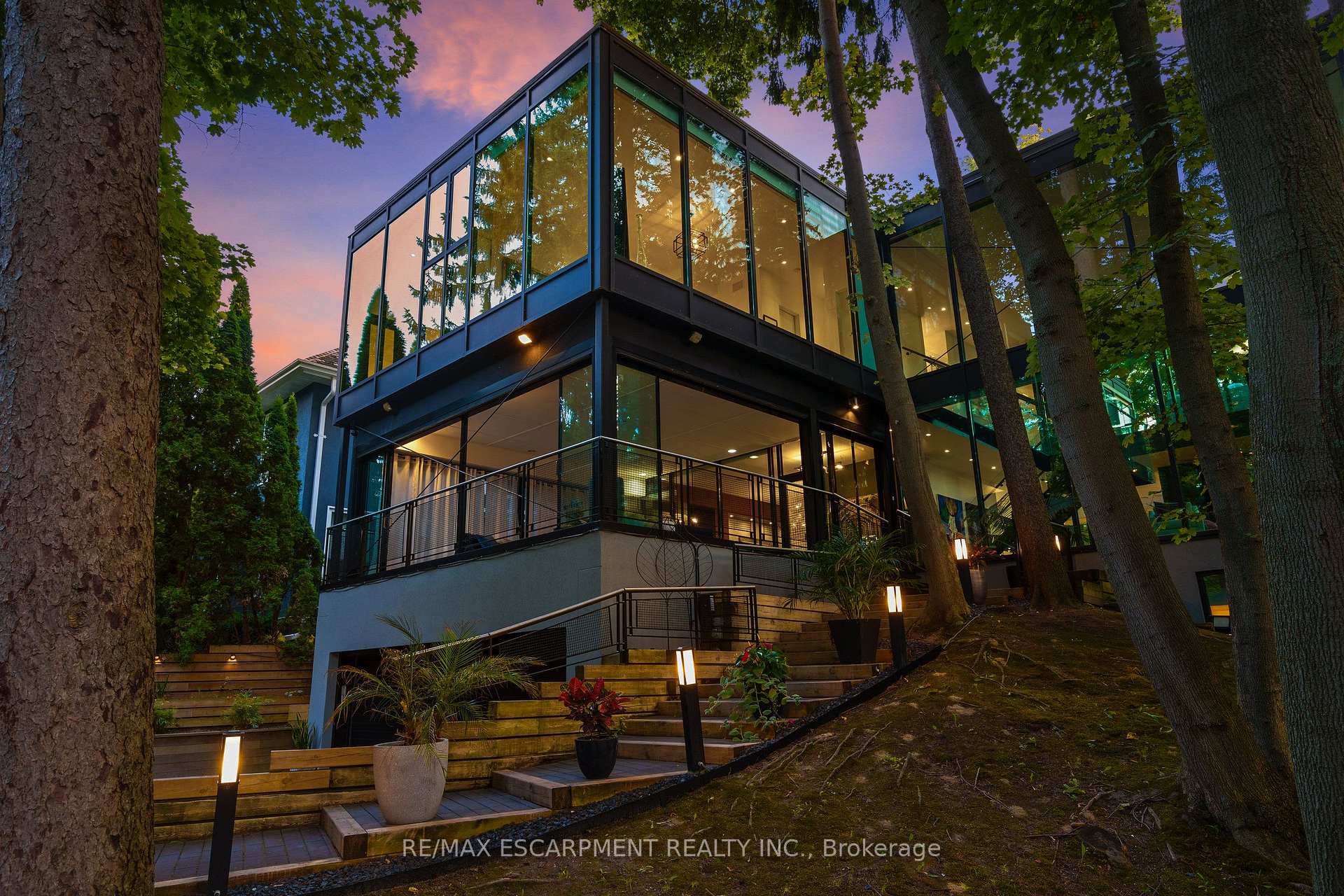
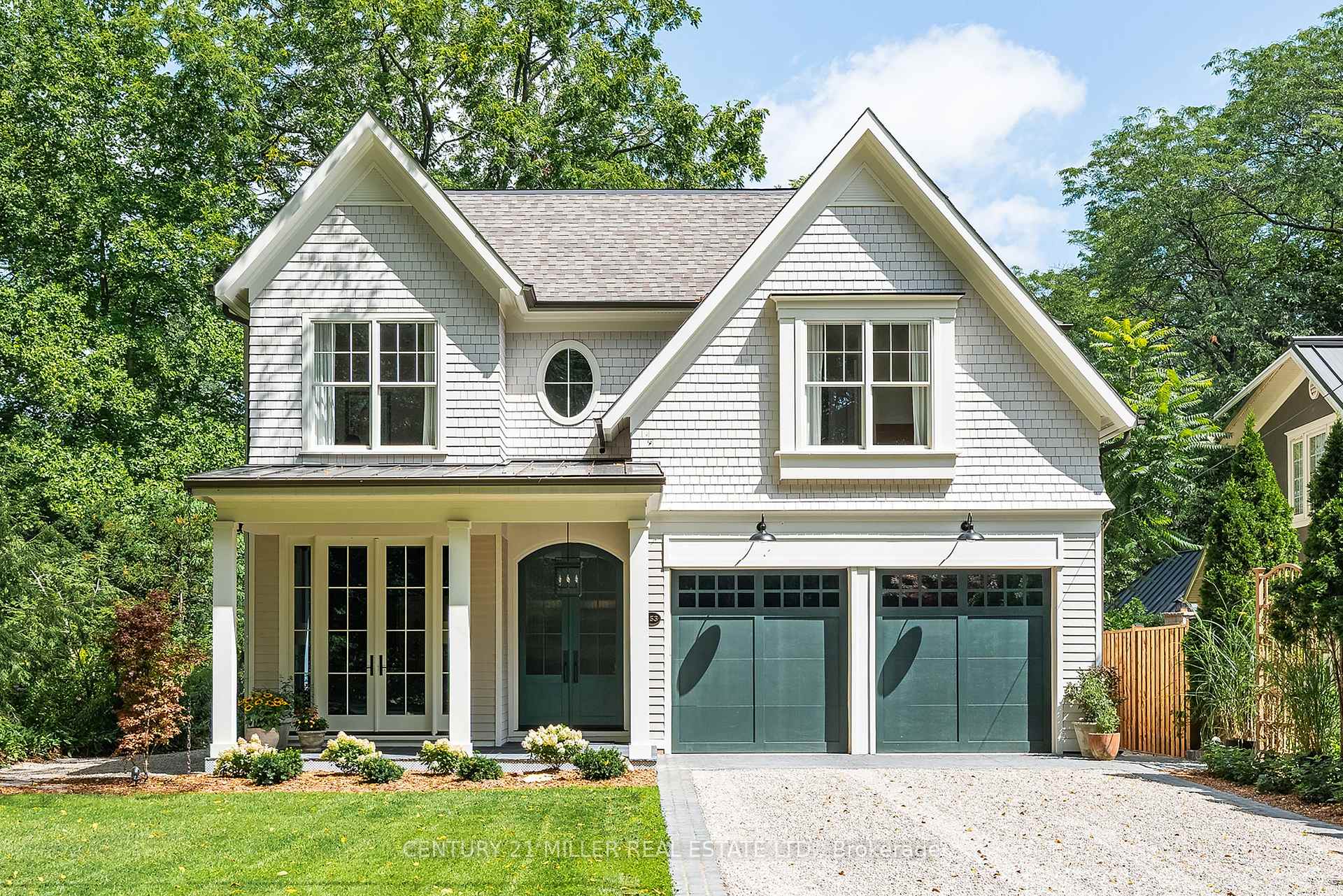
Beyond the formal heritage district, the broader neighbourhood contains a wide range of architecturally significant properties. These include Victorian and Edwardian residences, traditional brick homes, Cape Cod-inspired houses, renovated cottages and newer custom homes designed to complement the established streetscape.
Some of the most sought-after Old Oakville homes combine historic exterior character with extensively renovated interiors. Buyers often place a premium on properties that preserve original proportions and architectural details while providing modern kitchens, updated mechanical systems, functional family layouts and well-designed additions.
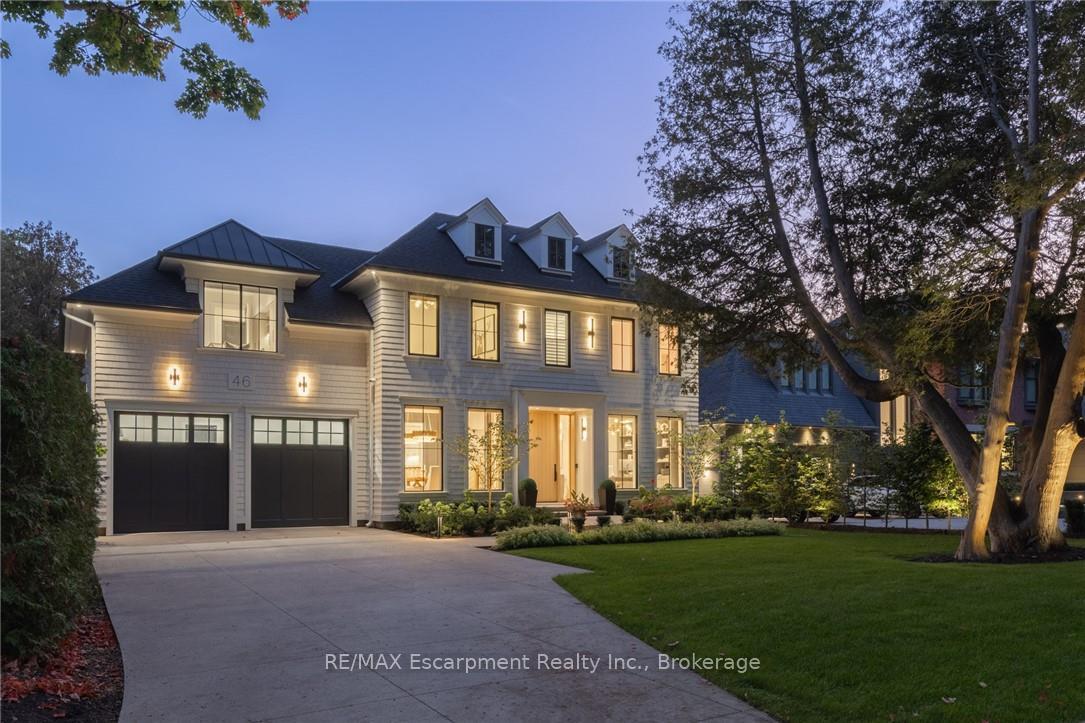
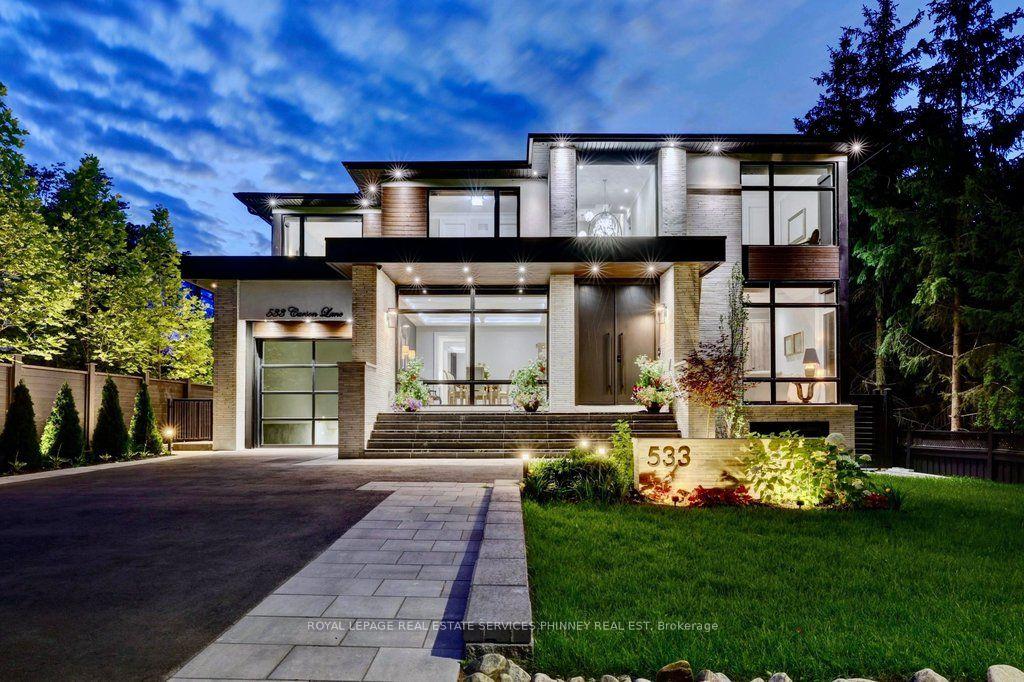
Newer custom construction is also found throughout the neighbourhood. The strongest new homes tend to respect the scale and character of the surrounding street rather than appearing disconnected from it. Architecture, landscaping, lot coverage and the relationship between the home and its neighbours can all have a meaningful influence on value.
Buying a Heritage Property
Not every older home in Old Oakville has the same heritage status. A property may be individually designated, listed on the town’s heritage register or located within a Heritage Conservation District. Exterior alterations, additions, demolition or new construction may require heritage review or approval.
Buyers considering a historic home should confirm the property’s designation, review previous approvals and understand how heritage policies may affect future renovation plans before completing a purchase.
Living Near Downtown Oakville
Old Oakville and Downtown Oakville are closely connected, although the terms do not describe exactly the same area. Old Oakville is the broader residential neighbourhood surrounding the harbour and downtown core, while Downtown Oakville refers more specifically to the walkable commercial district centred along Lakeshore Road East.
The Downtown Oakville core extends east from Oakville Harbour toward Allan Street and includes restaurants, cafés, boutiques, galleries, professional services and community gathering places. For residents living nearby, the downtown area functions as an extension of the neighbourhood rather than simply a destination to visit.
Homes within walking distance of Downtown Oakville are especially sought after because they provide a lifestyle that is relatively uncommon in suburban communities. Residents can walk to dinner, meet for coffee, visit the harbour, attend community events or complete everyday errands without having to drive.
This walkability is particularly important to buyers considering Downtown Oakville condos and townhomes. Many downsizers are attracted to the area because it allows them to maintain a strong connection to the community while moving into a lower-maintenance residence.
Old Oakville Property Values
The average sale price for single-family detached homes in Old Oakville was $3,214,428 in 2025, based on a total of 58 sales. This represented an 8% decrease from 2024, when 70 homes sold for an average of $3,491,867.
The year-over-year change should be considered within the context of Old Oakville’s highly varied housing stock. Annual results can be influenced by the number of smaller historic homes, renovation opportunities, finished family residences, custom builds, estate properties and waterfront homes sold during a particular period.
Looking at the longer-term trend provides a broader perspective. The average sale price in Old Oakville increased from approximately $2.03 million in 2019 to nearly $3.68 million in 2022. Although annual averages have varied since that peak, values remain substantially above their pre-pandemic levels.
Average days on market increased from 38 days in 2024 to 53 days in 2025, reflecting a more selective luxury market. Buyers took additional time to compare properties and assess renovation requirements, heritage considerations, lot quality, architectural design and exact proximity to Downtown Oakville and the lake.
Neighbourhood averages provide useful context, but they do not tell the full story. A renovated heritage home near the downtown core, an original cottage on a valuable lot and a newly built waterfront residence may appeal to entirely different buyers. Old Oakville homes should therefore be evaluated using the most relevant recent sales rather than the neighbourhood average alone.
Condos in Old Oakville and Downtown Oakville
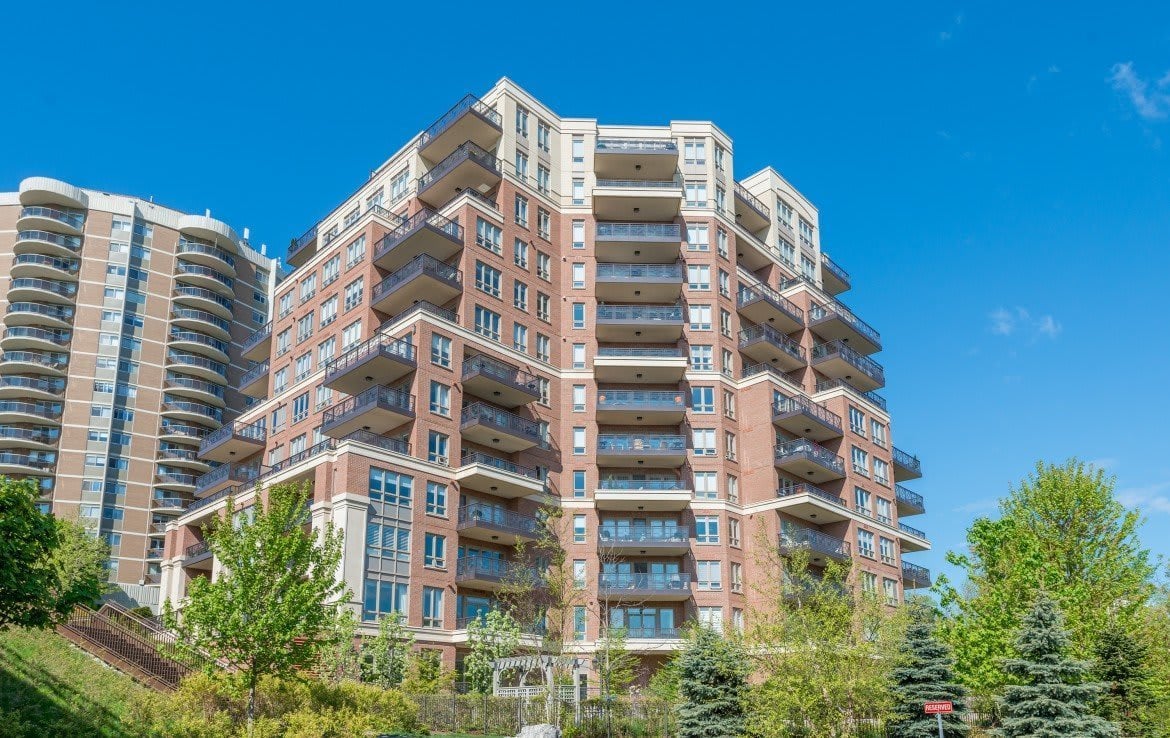
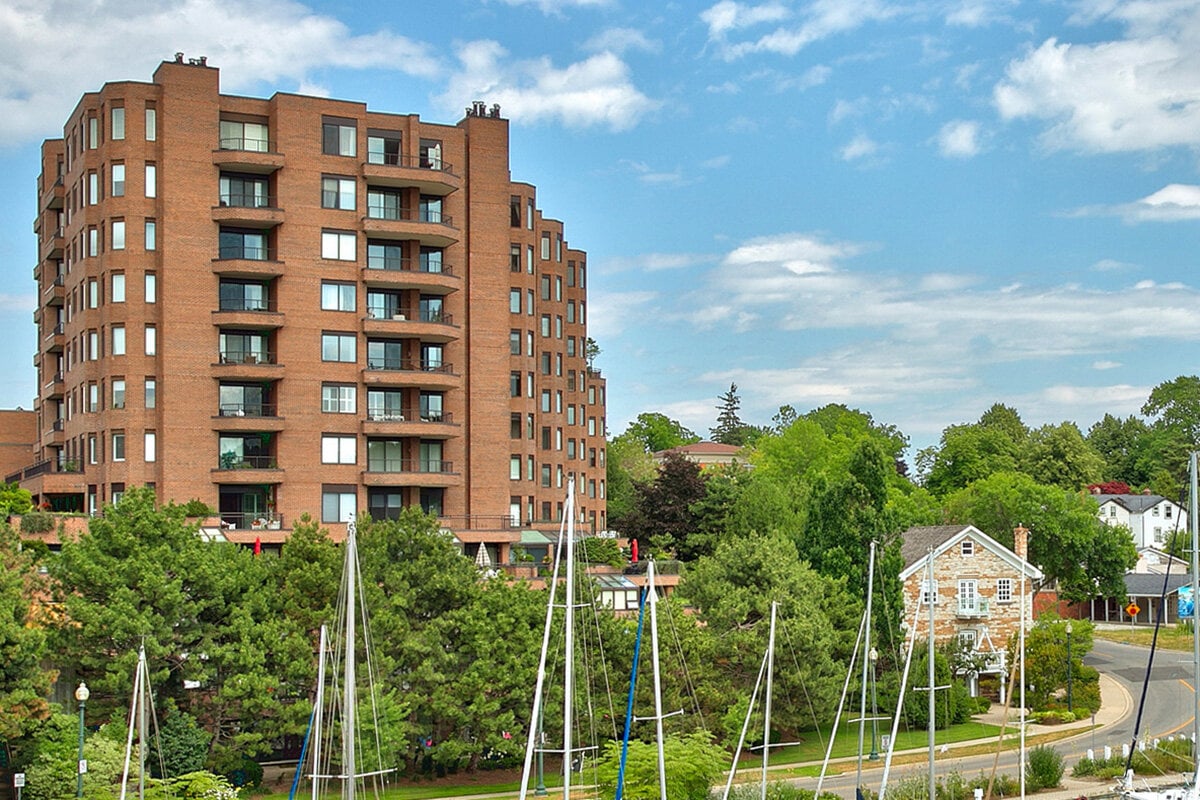
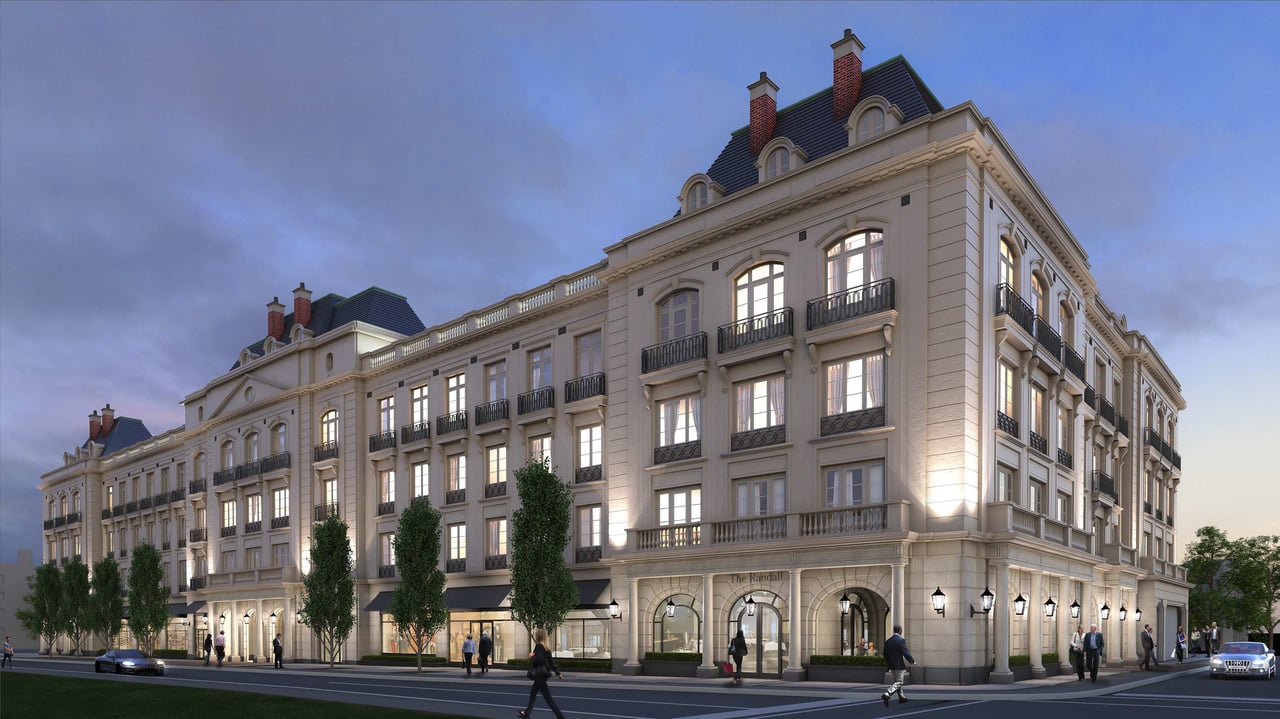
Old Oakville condos provide a low-maintenance alternative to the neighbourhood’s detached homes while preserving access to its walkable downtown and waterfront lifestyle. The condominium market is relatively limited, with only a small collection of established luxury buildings located close to Lakeshore Road East, Oakville Harbour and the Downtown Oakville commercial core.
Downtown Oakville condos are particularly appealing to downsizers, professionals and buyers seeking a lock-and-leave residence. Unlike larger condominium markets, each Old Oakville building has its own distinct character, suite sizes, amenities and relationship to the downtown area.
Condo values can vary considerably based on the building, suite size, floor plan, exposure, renovation quality, terrace or balcony, parking, storage and views. Maintenance fees and the financial position of the condominium corporation should also be considered when comparing available properties.
Old Oakville Condo Market
The Old Oakville condo market is considerably smaller than the detached-home market. Individual building performance can therefore be more useful than broad neighbourhood averages. Recent sales within the same development, particularly those with similar layouts, exposures and finishes, generally provide the strongest indication of value.
Buyers searching for condos in Downtown Oakville should also consider the practical differences between buildings, including concierge service, visitor parking, outdoor space, pet restrictions, suite accessibility and proximity to Lakeshore Road, the harbour and Oakville GO.
Life in Old Oakville
Life in Old Oakville is shaped by the relationship between the residential streets, Downtown Oakville and the waterfront. The neighbourhood feels established and residential, but it does not feel isolated. Restaurants, cultural amenities, parks and everyday services are integrated into the surrounding community.
The waterfront plays an important role in daily life. Oakville Harbour, Lakeside Park, Tannery Park and the trails near Sixteen Mile Creek provide opportunities for walking, boating and spending time near Lake Ontario. Seasonal festivals, community events and outdoor programming bring additional activity to the downtown core throughout the year.
The neighbourhood also contains several distinctive residential pockets. The Heritage Conservation District is known for its concentration of historic architecture, while the streets around the harbour and downtown are valued for walkability. Farther east, Orchard Beach offers a discreet lakeside setting with historic homes, custom residences and access to the waterfront park along The Esplanade.
Parks, Culture and Local Activities
Old Oakville offers a walkable mix of waterfront recreation, cultural attractions, restaurants, shopping and community events. Many of the neighbourhood’s most popular destinations are concentrated around Downtown Oakville and the harbour.
Downtown Oakville
A walkable commercial district offering restaurants, cafés, boutiques, galleries, professional services and community events.
Oakville Harbour
A defining feature of the neighbourhood, with marinas, sailing, waterfront views and connections to the surrounding parks and trails.
Lakeside Park
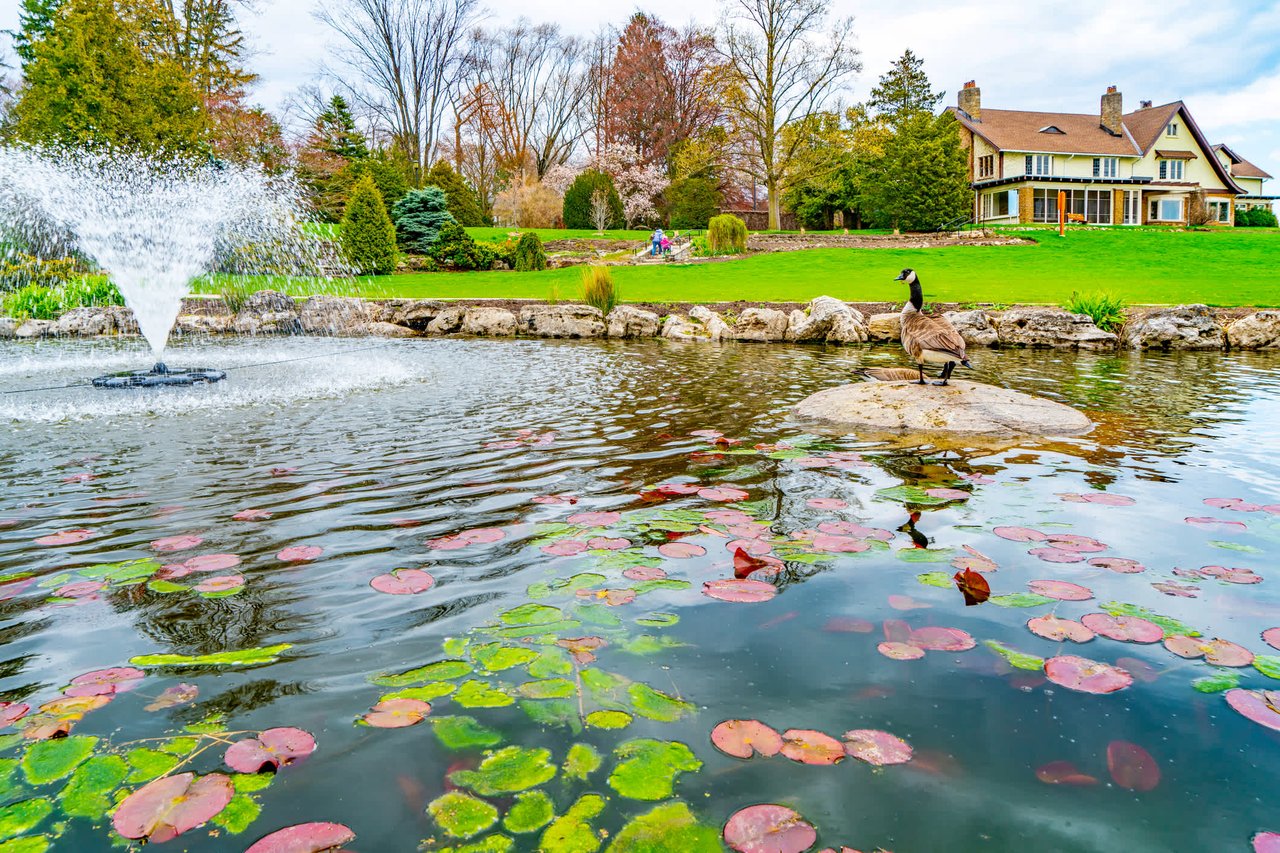
A historic waterfront park with gardens, open green space, a playground, lake views and the Oakville Museum.
Oakville Centre for the Performing Arts
A downtown cultural venue presenting live music, theatre, comedy, dance and community programming.
Oakville Museum
Located at Erchless Estate, the museum explores the history of Oakville and the town’s relationship with the harbour and lake.
Tannery Park and Sixteen Mile Creek
Waterfront green space and walking routes located west of the harbour, offering views across the creek and Lake Ontario.
Schools in Old Oakville
Old Oakville is popular with families seeking access to established public, French Immersion and private schools. School boundaries and available programmes can vary by property and may change over time, so buyers should confirm eligibility directly with the appropriate school board before purchasing a home.
Public Schools
- New Central Public School Kindergarten to Grade 6 | 133 Balsam Drive
- E. J. James Public School French Immersion | Grades 2 to 8 | 338 Cairncroft Road
- Maple Grove Public School Junior Kindergarten to Grade 8 | 288 Maple Grove Drive
- Oakville Trafalgar High School Grades 9 to 12 | 1460 Devon Road
Private and Independent Schools in Oakville
- Appleby College Co-educational | Grades 7 to 12 | 540 Lakeshore Road West
- Chisholm Academy Co-educational | Grades 7 to 12 | 1484 Cornwall Road
- Dearcroft Montessori Co-educational | Toddler to Grade 8
- Linbrook School Boys | Junior Kindergarten to Grade 8 | 1079 Linbrook Road
- MacLachlan College Co-educational | Pre-Kindergarten to Grade 12 | 337 Trafalgar Road
- Oakville Christian School Co-educational | Junior Kindergarten to Grade 8 | 112 Third Line
- St. Mildred’s-Lightbourn School Girls | Junior Kindergarten to Grade 12 | 1080 Linbrook Road
Why Buyers Choose Old Oakville
- One of Oakville’s most historic and architecturally distinctive neighbourhoods
- Walkability to Downtown Oakville, restaurants, cafés, shops and services
- A broad mix of heritage homes, renovated residences and custom-built properties
- A limited collection of luxury condos and townhomes near the downtown core
- Access to Oakville Harbour, Lake Ontario and waterfront parks
- Mature residential streets with established trees and landscaping
- Distinctive residential pockets, including the Heritage District and Orchard Beach
- Access to established public, French Immersion and private schools
- Convenient connections to Oakville GO, the QEW and Toronto
Old Oakville and Southeast Oakville
Old Oakville is one of the three principal residential areas within Southeast Oakville. Its historic homes, walkable downtown and condominium buildings provide a different lifestyle from neighbouring Morrison and the Ford neighbourhood, while all three areas share proximity to Lake Ontario, established schools and mature residential streets.
Southeast Oakville
Explore the complete guide to Southeast Oakville real estate, including Old Oakville, Morrison and the Ford neighbourhood.
Morrison
Discover one of Oakville’s most prestigious residential neighbourhoods, known for larger lots, custom estates and waterfront homes.
Ford
The Ford neighbourhood offers mature streets, established schools and a broad range of original, renovated and custom family homes.
Old Oakville Real Estate FAQs
Is Old Oakville the same as Downtown Oakville?
Not exactly. Old Oakville is the broader residential neighbourhood surrounding the harbour, waterfront and downtown core. Downtown Oakville refers more specifically to the walkable commercial district centred along Lakeshore Road East. The terms are closely connected and sometimes overlap in real estate marketing.
What types of homes are found in Old Oakville?
Old Oakville includes nineteenth-century cottages, Victorian and Edwardian residences, traditional family homes, extensively renovated heritage properties, newer custom builds, townhomes, waterfront estates and luxury condominiums.
What is the average price of a home in Old Oakville?
The average sale price for a detached home in Old Oakville was approximately $3.21 million in 2025. Individual values vary substantially according to the street, lot, condition, architectural quality, heritage status and proximity to Downtown Oakville and Lake Ontario.
Are there luxury condos in Downtown Oakville?
Yes. Old Oakville and Downtown Oakville contain a limited collection of luxury condominium buildings, including One Eleven Forsythe, The Granary and The Randall Residences. The market is relatively small, and values are often highly specific to the individual building and suite.
What should buyers know about Old Oakville heritage homes?
Some properties are individually designated or located within a Heritage Conservation District. Renovations, additions and exterior alterations may be subject to heritage policies or approvals. Buyers should confirm the status of a property and review potential restrictions before purchasing.
How does Old Oakville compare with Morrison and the Ford neighbourhood?
Old Oakville offers the greatest concentration of historic homes, walkability to Downtown Oakville and luxury condominium options. Morrison is more closely associated with larger lots and estate-scale residences, while the Ford neighbourhood offers a broader selection of established family homes and generally more accessible pricing.